
Breakfast is a great way to start the day, most of us enjoy breakfast but what’s the best breakfast? Its one of the most co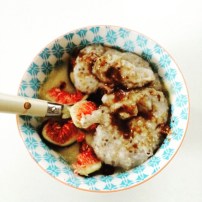 mmon questions I get asked, so here is a super healthy energy boosting gut supporting breakfast, and it tastes great too.
This is a small bowl, I encourage everyone to use smaller bowls and plates, unless they are manual workers, we really don’t need to eat as much as we do. This breakfast is a slow releasing energy meal with a good amount of fibre.
What’s in the bowl?
Apple sauce, home made with organic braeburn apples, no added sugar – about 1 tablespoon
1 fresh ripe fig (or a dried fig)
Quinoa, buckwheat and chia porridge cooked with almond milk – serving size 50g
Dark brown muscovado sugar (less than a teaspoon)
What are the benefits and nutritional advantages of eating this for breakfast? In a nutshell, supports energy production, helps keep blood sugar levels stable and provides your body with an array of vitamins, minerals and fibre! It tastes great too.
The apple sauce/puree can be batch cooked and I keep mine in the fridge, or I freeze it. I don’t peel the apples, I cook them with the skins on and then puree them, saves time and adds fibre. Cooked apples contain glutamine, which can help support the gut lining. I use apple sauce for gut healing, especially for newly diagnosed celiac patients and those with auto-immune conditions. Core the apples and add to a saucepan with a little water and cook for 10mins, then whizz them up in a blender. Apples are slow releasing energy foods and help keep blood sugar levels stable due to their low sugar and high fibre content.
Figs are amazingly delicious, we are lucky enough to get them in UK even when they are not in season in Europe, but I look forward to fig season in July and August when we can make lots of amazing desserts with them. Figs are rich in minerals including potassium, calcium, magnesium, iron and copper and are a good source of antioxidant betacarotene and vitamins E and K.
Quinoa is a high protein seed, provides magnesium, potassium, folate, iron and copper. Vitamins B1, B2 and B6, less of B3 and vitamin E. Pretty amazing for such a small seed. High nutrient density helps support the body to create energy and support hormonal and cognitive health.
Buckwheat is a good source of fibre, manganese, zinc, iron and copper. Buckwheat provides various plant compounds and is richer in antioxidants than many common cereal grains. The plant compounds found in buckwheat include rutin, quercetin, vitexin and D-chiro-inositol. Buckwheat is gluten free and is an excellent alternative to wheat, which it is not related too. Buckwheat is a member of the rhubarb family and is a seed rather than a grain, like quinoa.
Muscovado sugar, with some minerals present provides magnesium, potassium, phosphorus and iron. Unlike refined sugar which provides no nutrition only sucrose/glucose, which provides no helpful nutrition to the body, just a massive sugar hit. This small amount provides a great dense sweetness with the added benefit of the minerals.
Why not swap this breakfast for your usual cereal or porridge to increase your nutrition?
Share this:


With the Christmas festivities well underway, you may be considering how you will feel by January 1st?
I am offering a 21 day detox including 60 mins consultation with me (in person or via Skype) at the beginning, we will schedule weekly phone calls or emails, throughout the detox and you will receive a 30 minute follow-up consultation at the end. You receive 21 days worth of supplements, food ideas and recipes to support the detoxification processes within the body. It’s doable whilst carrying out your daily life, you will need to plan ahead though to make this work for you.
Why not buy a voucher for yourself, your best friend, or Mum if you are still searching for the perfect Christmas gift, just give me a call and we can arrange delivery. The detox is £250 all in, all you have to do is follow the instructions and stick to it for two weeks! You will be saving £65 when you buy this voucher
This is a great opportunity to focus on your health, to ensure you achieve your professional and personal goals that you have set yourself for 2017
Can I help answer any of your questions? please call on 07957 806 207.
Share this:

Watching a storm approaching and doing nothing to help yourself would be considered dum, but when we see a period of stress ahead, take christmas as an example, we usually do nothing to stay on top of our health. Suddenly finding ourselves in the whirlwind of dinners, drinks, foodie friends and feeders. For some of you this won’t be an issue as you already practice moderation, but for those who live with extremes may find they wake up on 27th December sick, bloated and with a wardrobe of clothes which no longer fit…
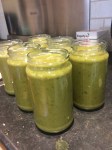
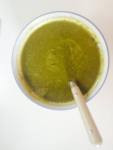
I found myself in a period of stress recently and I was struggling to find something to eat for lunch, when I remembered I had batch cooked loads of green healthy soup, hurray, what a relieve! (feeling very smug indeed) I was able to reheat my super green soup from the freezer with an egg on gluten free toast and a sprinkle of cayenne pepper for my lunch. Balanced, healthy and speedy. Planning ahead for those days and weeks when there is no time or no energy to cook is so important… The soup seriously the soup didn’t take me more than an hour of my time to cook, and this can be done whilst you are preparing an evening meal. Why not give it a go?
Share this:

The BBC have reported that we should all be taking vitamin D in the winter months, well the government have recommended 10mcg a day for everyone. I would highly recommend you understand your vitamin D levels/status before you start supplementing.
I use a lab which offers prick tests at £30 if you are interested let me know and I can send you a test kit which you can carry out at home? And if you need more vitamin D its sensible to understand how much and also if there is a need for all your other fat soluble vitamins, A, E and K. So get the right advice and don’t just buy any supplement.
Those at risk are the elderly, those of us with dark skin, those who use sunscreen all the time and people who don’t get out of the office/house at all and of course most of Northern Europe who don’t get much direct sun.
Too much vitamin D is not helpful, can reduce bone calcium levels. Low vitamin D can cause cause osteoporosis, poor calcium handing, which can lead to heart disease, depression and low mood.
We get very little vitamin D from our diet, the main source is through the conversion of sunlight into vitamin D, which happens by exposing our skin during the day when the sun is out (which is not that often) between April and October here in UK.
Here’s the article from BBC.
http://www.bbc.co.uk/news/health-36846894
Share this:

Diabetes, what is it? It seems a very common illness, but what are the consequences of being diagnosed with diabetes and how can you take control?
Firstly what’s the difference between Type I and Type II:
Type I diabetes
This is an auto-immune condition, where the body attacks the beta cells in the pancreas and prevents production of insulin. Anyone which Type I has to inject insulin. Insulin takes sugar out of the blood stream and into the cells, where it is used for energy or stored energy. Without insulin the body will not be able to function, resulting in coma and death. Unexplained weight loss is a major symptoms of Type I diabetes. Type I diabetics have to inject insulin regularly throughout their day to keep them healthy.
Type II diabetes
This is often called adult onset diabetes. The difference with Type II diabetes is that it is not an auto-immune condition. What often happens is the insulin receptors around the cell become unresponsive, and this prevents the sugar getting into the cell, raising blood sugar levels and insulin levels, and creating a lack of energy at a cellular level. A person with Type II diabetes with high blood sugar will pee a lot, this is the body attempting to remove the sugar from the blood, because of this they become very thirsty. The first signs of Type II diabetes can be thirst, peeing too much and unexplained weight loss, inflammation, but often there are no obvious symptoms.
Type II diabetes can be addressed with dietary and lifestyle changes
Eating a diet rich in nutrient dense vegetables, oily fish and lean healthy poultry and meats along with good fibre and nutrient dense fruits which increases your nutrition and not your calories. Reducing sugar, fatty foods like fish and chips and burgers, crisps. Increasing exercise and making these dietary changes can reverse Type II diabetes and prevent the need for medication.
Using your muscles more helps them be more insulin sensitive and burn more calories. Start your exercises slowly, walking daily and including some muscle strengthen exercises like lunges, and arm exercises with weights, you can use anything in the house from cans of beans to bottles of milk! Never stop your medication and consult your doctor before changing your diet and starting an exercise plan, your doctor will need to monitor you to ensure your medication remains at an appropriate dosage.
What happens if Type II diabetes is not managed and dietary changes are not made?
Complications of poorly managed diabetes are very serious and life changing, from kidney disease, blindness and amputation, make a positive change to your diet, here’s a simple smoothie to start your day the healthy way:
Bonus recipe! Super nutrient breakfast smoothie!
1/2 small cucumber
1 small courgette
Couple of sprigs of mint
Cooked kale or broccoli (from last nights dinner)
Juice of 1 lime
Cup of frozen berries
1 dessert spoon of milled flax seeds
300ml of unsweetened additive free almond milk or 4 soaked almonds and 300ml or water
Providing protein, healthy fats, folate, magnesium, manganese, calcium, potassium, omega 3, iron, zinc, copper, fibre, vitamin C, phytonutrients from berries which act as anti-inflammatories within the body.
Blend together until smooth, serve in pretty glasses with a colourful straw and enjoy!!
Share this:

Hi everyone,
Did you know that I offer cooking days and shopping trips. Together we can create soups, snacks, lunch and breakfast ideas or a major three course meal, what ever you need to have happen to help you improve your health and diet. I also help clients with newly established food intolerance and celiac diagnosis to allow them to benefit using fresh ingredients and cooking from scratch.
Here is a recent testimonial from a shopping trip and cooking day:
The full-day experience which involved Julie cleaning out my cupboards, taking me around my local supermarket and a cooking class has changed my outlook on healthy eating, something I associated with being expensive, time-consuming and difficult. Julie quickly identified the key areas in the supermarket that I should be visiting, some of which I didn’t know existed. This has now made my weekly shop quicker and stress-free.
Julie’s continuous support, and often spontaneous email check-ups have truly transformed me from a man reliant on take-away meals due to my busy lifestyle, to one that habitually prepares breakfast shakes full of nutrients and healthy dinners. I would not hesitate recommending Julie to my friends and family and look forward to continue to visit her on a regular basis. Nick, Richmond
For those of you who have recently read my ‘celiac awareness week posts’, why not book a cooking day with me? I can show you how to manage the diet for a celiac using fun recipes and healthy alternatives in the privacy of your own kitchen. Why wouldn’t you?
Here are some photos from our day, preparing a chopped salad, soup pot ready to cook and some of the food we removed and donated to a local food food bank!



Share this:

Celiac friendly dinner recipe for the whole family:
not a gluten free product insight!
Chicken leek and shitake bone broth tray bake recipe
This is an amazingly easy dish to prepare, I love it because you just need the raw ingredients placed in a casserole, lid on and leave for 4 hours in a moderate oven. It comes out so delicious, it tastes like you have been slaving over the cooker for hours.
Ingredients:
- 8 organic skin on chicken thighs (I remove the bone but leave the bone in the dish as I don’t like bones in my chicken)
- 6 leeks washed and diced
- Shitake mushrooms two boxes approx 150g rougly chopped
- 1 pint of chicken bone broth (home made)
- Salt pepper and lots of love
- Dried sage to sprinkle ontop
Place the leeks, mushroom and bone broth into your casserole or lasagna dish, then place the opened up thighs and bones on the top and cover with a lip or use tin foil little salt and pepper and sprinkle of sage. Place on 180 for 1 hour then reduce to 150 for the next 3 checking everything is still covered and looking good. I leave the foil off for the last 30mins to get the skin crispy.
Serve with courgette spaghetti with avocado and basil dressing below, or some purple sprouting broccoli steamed and dressed with olive oil and garlic.
Courgette spaghetti
4 large courgettes spiralised
Fresh or frozen peas – cooked
Dressing:
- 1 avocado
- 1 dessert spoon olive oil
- salt and pepper
- lemon juice (1)
- small bunch of basil
Leaving the peas to one side, whizz this up in a blender or food processor and pour on top of the courgette pasta add the peas stir everything together and serve immediately.
This recipe has many health benefit and I recommend all celiacs eat a whole food diet, which means not stocking up on gluten free junk food, which is not healthier. Gluten free biscuits and cakes often contains more sugar and other more unhealthy ingredients than non gluten free food, which are not health promoting, ok occasionally but please don’t rely on them or at least check out the ingredients and look for words you can’t pronounce or have ever heard of before.
For more information make an appointment or book a cooking lesson with me. To your health and happiness!
Share this:

I have 6 spaces available for my detox programme for February starting on 8th. Including two 30 mins consultations with me via Skype. 21 days supply of detox support powder and supplements. Offer also includes food ideas and recipes to support your detox.
It’s a snip at £175! limited space…
Of course our body is detoxing as you read this post, but we can help support the pathways and organs to ensure the detoxification process is more efficient. Some people feel the need to detox more than others, we are all different and that’s ok.
This is a great opportunity to focus on your goals and dreams, you can achieve anything you want right?
To book your space please call Julie on 07957 806 207 or email me nutritionaltherapylink@gmail.com
Subject to availability
Share this:

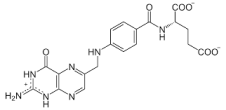
 There are new studies taking place that suggests that taking folic acid before and during conception is protective against autism risk, also ensuring mothers gut flora is healthy and optimal before and during pregnancy, to ensure the vitamins produced in the gut are optimal may also be protective. This is new and excellent information for those who are thinking about pregnancy. To ensure you are in your best tip-top health make an appointment with me and we can discuss yours and your partners needs before you even start trying to get pregnant. My clinic is open from 8.30 until 6pm in Richmond, Fulham or Central London, I also offer Skype consultations!
Share this:


If you only drink a few glasses of wine a week, then you don’t need to change your habits. According to The Guardian the new governments guidelines are now inline with Australia who also suggest men and women only drink 2.5 units per day.
A unit in the UK is equivalent to 8g of pure alcohol (14 units). This means British men are now being told they can safely drink considerably less than those in Ireland (21.2 British units), Denmark (21), New Zealand (19) and much less than the upper safe limit for men in Spain (35).
However, the 14-unit limit for women remains in line with international standards. It is higher than the advised limits in the US (12.3) and Denmark (10.5) and roughly on par with Ireland.
How will this effect you? I watched a programme on alcohol on the BBC last year, and they found that whether you drank everyday or binged at the weekend the liver was equally as damaged, however inflammation and gut flora were more effected by binge drinking.
If you suffer with bowel issues and drink more than the recommended guidelines, you could be making your symptoms worse by drinking the amount you do. Alcohol is a poison after all, its a nice poison and many of us enjoy the taste and the effects.
Do we need a strategy? smaller glasses? more expensive alcohol to savour? nice soft drink that aren’t full of sugar? or simply drink green tea and organic coffee instead? My favourite tea is Rooibos tea. I will probably not have to worry too much about reducing my alcohol intake, but I will be more mindful of how much I drink.
What will you do?


