
We are often encouraged to reduce our carbohydrate intake. This is purely because we have an abundance of carbohydrate rich foods and snacks in our diets.
Carbohydrates are not bad if eaten in moderation and are unhealthy in excess. If the carbohydrate is not used for energy, it is stored as fat. Carbohydrates are:
Bread, pasta, potatoes, cakes, pastries, sweets and chocolate.
If you love mashed potatoes in the winter, try using half normal potatoes and half sweet potatoes. This will increase the nutrition density of your mash and help prevent the carbohydrate overload. Also consider the quantity of potato on your plate, two dessert spoons is enough. Also add some greens to your plate to fill the plate with even more nutrients and flavour.
The sweet potato orange flesh contains very high levels of betacarotene, which is converted to vitamin A in our bodies. They also contain good amounts of B vitamins, zinc and iron.
Try them baked in their skins with a drizzle of olive oil and some lovely salad leaves sprinkled with pumpkin seeds.

References:
Failla ML, Thakkar SK and Kim JY. In vitro bioaccessibility of beta-carotene in orange fleshed sweet potato (Ipomoea batatas, Lam.). J Agric Food Chem. 2009 Nov
Low JW, Arimond M, Osman N et al. A food-based approach introducing orange-fleshed sweet potatoes increased vitamin A intake and serum retinol concentrations in young children in rural Mozambique. J Nutr. 2007 May;137(5):1320-7. 2007.
Share this:

Now winter has arrived, addressing any potential Vitamin D deficiency is vital to supporting your immune system over the colder months.
Vitamin D is a fat soluble vitamin, which means the body can store it. However, it’s been found that even during the sunnier warmer months we don’t get enough vitamin D, so its possible we won’t have stored the amount necessary for us during the darker colder months. Can we wait until April….?
As I always tell my clients; supplements should never replace a good balanced diet. However, it’s not easy to get Vitamin D from food, there are a number of good Vitamin D products on the market, you should be looking at getting a product that provides 5000 IU (international units) D3 (cholecalciferol) this is exact same form of the vitamin produced in the skin from sunlight. If you were interested to see what your levels are, a test is available to ensure that the correct dosage it given, and also to check that the supplement is providing enough for the patient, as the test is relatively cheap.
Vitamin D deficiency is often associated with cancer, heart disease, stroke, birth defects, depression, auto-immune disease to name but a few.
For further information please contact me for a free 10min phone consultation.

Share this:

Can your diet be causing inflammation?
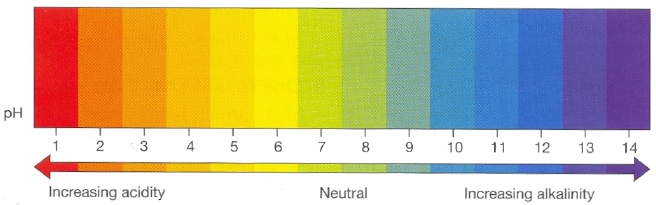
That’s a good question. An average the British diet provides mainly acid forming foods, e.g. milk, eggs, meat, wheat, sugar and alcohol. Interestingly, these foods would never be considered acidic to your taste buds, but they are the culprits for raising the acidity of the blood. A diet high in acid forming foods may cause inflammation, therefore eating more alkalising foods can really make a difference to those with inflammatory conditions:
♥ Acidic forming foods = inflammation = disease/pain
♥ Alkaline forming foods = healthy balanced body = less disease and pain
What would you choose?
An alkaline diet contains mainly (i.e. 70%) vegetables, fruit, nuts, oily fish and oats.
An acidic diet contains mainly (i.e. more than 70%) red meat, wheat (refined and wholemeal), cheese, milk, eggs and alcohol and other refined sugar products, like sweets, coca cola and fizzy drinks. Peanuts, cashew and pistachio nuts, baked goods like cakes and biscuits are all required to be reduced and eaten on special occassions, and not everyday.
Perhaps you are asking, how can I eat a more alkaline diet and still enjoy it?
Reducing the amount of meat you eat and replacing it with oily fish and other alternatives, using nut based and vegetable-based alternatives; such as soups, raw salads and smoothies made with freshly juiced vegetables and fruit blended with flax seeds and avocado or nut butters.
Try this juice recipe (ideal for breakfast):
Best to use organic where possible:
♥ 3 sticks of celery
♥ ¼ beetroot
♥ 4 small apples
♥ ¼ fennel
♥ 2 carrots
Juice the ingredients, then add to the blender with ¼ large avocado and 1 tablespoon of ground flaxseeds. Blend with some ice (or ½ cup of water). Delicious, alkaline and very satisfying..
Enjoy the juice! Any questions?
Share this:

I use the following line to sum up good health:
“Health is when the body is able to keep equilibrium, or homeostasis. Keeping the body’s systems in balance”.
Often, due to predispositions, lifestyle and stressful events we lose the ability to keep our systems in balance and pressure is placed on other organs and systems which then compensate for these weaknesses. The compensation is meant to be short term. But if required to compensate on a long term basis, things start to go wrong.
So how can we keep our bodies in balance?
Regular exercise
Plenty of raw fruit and vegetables, nuts and seeds (these provide high density nutrition with vitamins and minerals in abundance)
Plenty of fresh clean water (filtered)
Lean protein (both vegetable and animal)
Meditation
Relaxation techniques
Laughter
Try doing this for 1 or 2 months and see if you feel the difference. Making changes to diet and lifestyle is all about wanting to do the best for you! Once you have decided to make some positive change, it’s a great way to feel good about yourself.
Always treat yourself the way you would treat a loved one.
Good luck!
Julie
Share this:

Help is here! Bloating may be a sign that all is not good with your digestive system, whether it is poor digestion, imbalances within the gut or difficulty digesting certain foods. All can cause bloating. You want to know how to stop the bloating?
Here are a few free things you can do to help:
Reduce your intake of sugar, such as dried fruit, sweets, alcohol and carbohydrates
Chew your food until it becomes a paste before you swallow
Eat fruit as a snack, but not after a meal
Avoid fizzy drinks
Do not skip meals and eat at the same time each day
Eat some rocket or watercress before your meals
Eat more slowly
And in general just slow down and smile
If you find this doesn’t work, you may need to consider further investigation. I would recommend you speak to your GP for a diagnosis before booking an appointment, this rules out any possible underlying disease and we can get to work on your programme much faster.
A full consultation will take place and dietary suggestions made, along with a supplement programme, where appropriate, to rebalance your gut.

 Nutritional Therapy Link